
Table of Contents
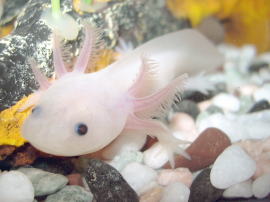 Axolotl is a medium-sized aquatic salamander closely related to tiger salamanders. Unlike other salamanders, Axolotl don’t transform into adult form, and will remain larvae for the rest of their life, making them a popular and unique pet for tank environment.
Axolotl, which is pronounced as “Ax-oh-lot-ul”, comes from the word Atl, which means “water” and xolotl, which means “dog”. It was named after Xolotl, the canine Aztec deity. They have a lifetime of 10 to 15 years in aquarium, which means they’re a long-term investment. So if you’re planning to get this animal for pet, and eventually do some Axolotl breeding, then here are the things you need to know.
Basics
Axolotl is one of the few species of salamanders that is neotenic, which means it doesn’t go through metamorphosis from larvae stage to adult. Rather, they develop into adulthood, mature sexually and reproduce, while keeping a strictly aquatic life style. In some rare cases though, they can undergo metamorphosis and becomes terrestrial, but this can be very stressful for them.
Young axolotl tend to be cannibalistic towards each other, which mean you need to raise them in separate enclosures. Adults can be housed together, but may still have cannibalistic tendencies. However, like many salamanders, they have excellent regenerative abilities. If wounded, bruised or injured, even to a point of losing a limb or any body part, this animal can heal completely and regenerate the lost body part over time.
Breeding methods
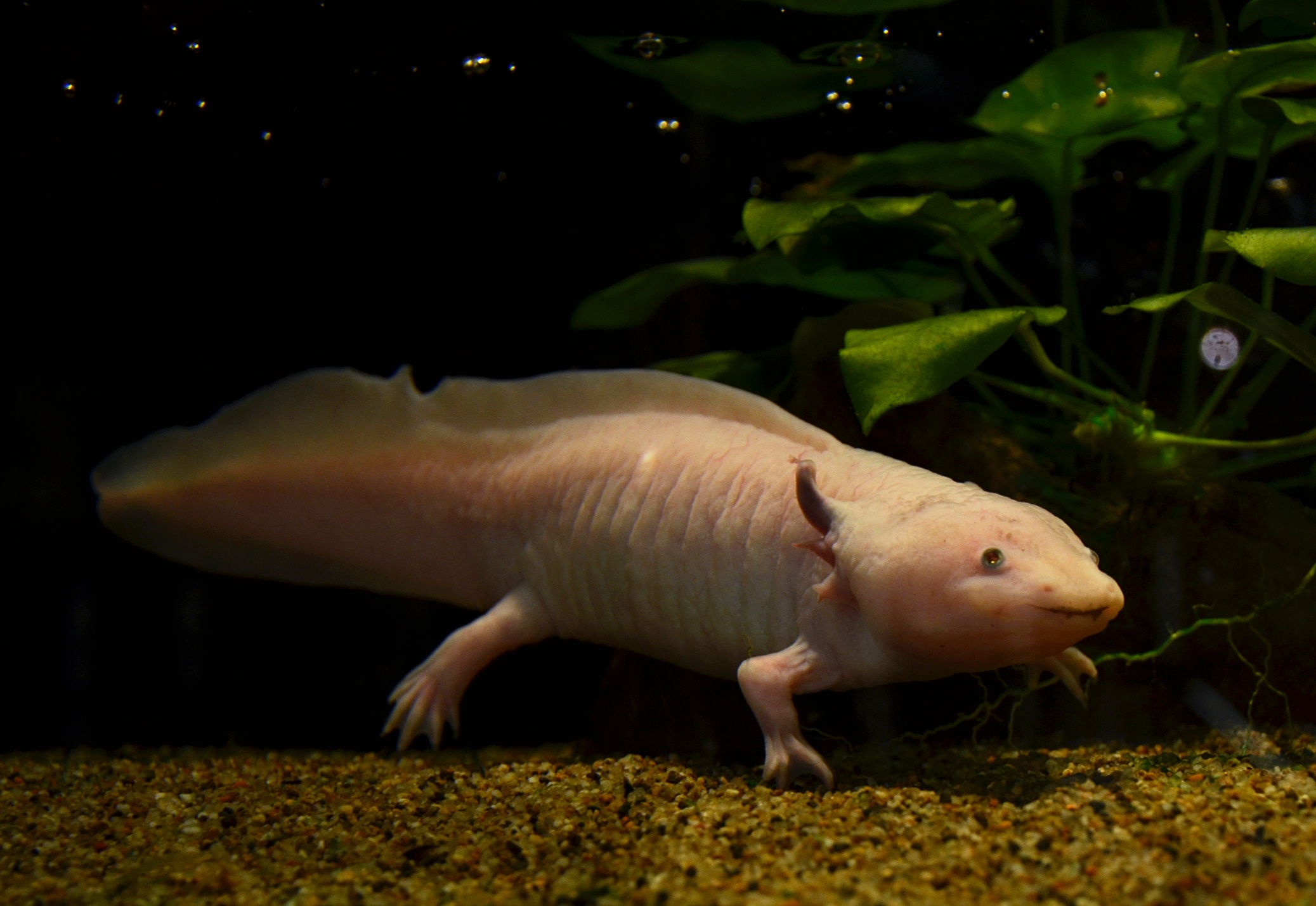 This animal can breed anytime of the year, but many say its best breeding season is during December to June. Length of light period can also affect their breeding. Males and females are often subjected to decreasing “daylight” for a few weeks, and then increase the duration of light steadily before putting a male and female together in one enclosure to encourage courtship behavior.
Change of tank temperature can also influence this animal’s breeding behavior. Experts suggests keeping a pair of axolotl separately for a couple or more weeks and at 20-22 °C before putting both the male and female to a water tank with 5 ° lower (around 12 to 14° C) to encourage courtship behavior. This method stimulates the male axolotl.
Keeping these animals in a room with at least partial seasonal change in both light period and temperature (a room with window) is usually enough to encourage breeding, usually before the peak of winter and in spring. They should be adequately fed, of course.
A pair should breed once a year, at least. They should be kept in a room that regularly receives natural light, as light plays an important role in managing the temperature of the tank and simulate the seasons.
The Breeding Setup
It’s good to have plastic plants in the aquarium for the female axolotl to affix its eggs. Flat or slate stones should be placed on the tank floor as well for the male axolotl to leave its Spermatophores, or packet of sperms. For the mating of the male and female axolotl to be successful, the spermatophores must remain stationary throughout the duration of courtship. Also, during breeding season, leave the axolotl alone in a room where they can’t be disturbed.
Courtship and Spawning
The male axolotl starts the spawning by swimming around while raising its tail and making writing motions vigorously. The male axolotl leaves around 5 to 25 of his spermatophores around the tank and leads the female for it to pick them up through its sperm cap (cloaca). From here, fertilization takes place inside. She can also nudge the male, which will lead to a dancing-like action between the two in the tank.
After a couple of days, the female will start the spawning by laying each eggs individually. This is where the plastic plants can come in handy. There can be 100 to more than a thousand of eggs in one spawning, depending on the conditions of the tank and the size of the female. When the female finished laying her eggs, it is best to remove both her and the male from the tank.
Hatching Eggs
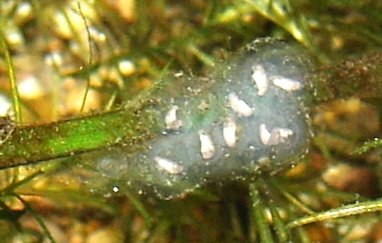 Axolotl eggs take 2 to 3 weeks (around 17 days) to hatch. Development is better when eggs are attached to plants. Assuming eggs are well fertilized, they will hatch and should be kept in a well aerated water. Meaning, you need an air pump and air stone at the other end of the tank to keep a good water condition for the eggs. Just make sure the air pump will not cause the water to flow vigorously.
The best water temperature for hatching is around 20° C.

 Author and long-time animal lover. Sharing knowledge on pet care through experience and the written word.